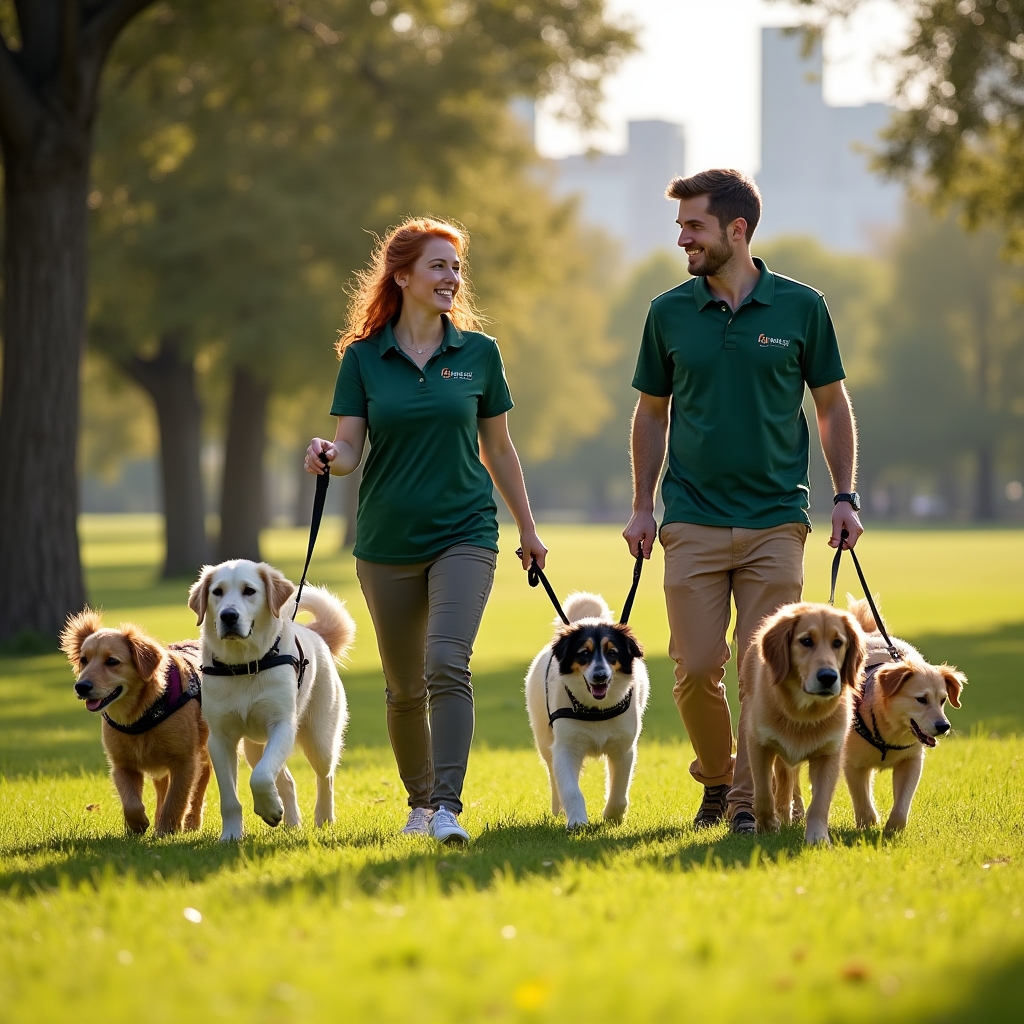
Professional dog walking team on a Denver street with multiple dogs
Professional Training Program

From Solo Walker
to Team Leader

Zayixo Zamehu gives pet care professionals the systems, scripts, and strategies to build a real team operation — not just a bigger schedule.

Scroll

Team Hiring Systems
Route Efficiency
Emergency Protocols
Pricing Tiers
Brand Building
What This Program Covers

Everything You Need to Scale

Running a solo operation teaches you the love of the work. Building a team teaches you the business. This program bridges that gap with practical, field-tested frameworks designed specifically for pet care professionals.

Made for Side Hustlers

Hiring and Vetting

Background check frameworks, interview question banks, and trial-period structures that help you find walkers who represent your brand with care.

Route Efficiency

Multi-dog routing logic, neighborhood clustering, and time-block planning that keep your team moving without burning out.

Client Communication

Message templates, update cadences, and escalation protocols that keep clients informed and confident — even when things go sideways.

Emergency Handling

Field decision trees, vet contact systems, and incident documentation practices that protect both the animals in your care and your business.

The Six Pillars

A Complete Curriculum

Each module is self-contained but builds on the last. You can work through them in order or jump to what your business needs most right now.

01
Interview process for hiring a new dog walker, reviewing documents at a desk

Hiring and Vetting Walkers

Where to find candidates, what to look for beyond the resume, and how to structure a paid trial period that reveals real-world fit before you commit.

02
Aerial view of a neighborhood map with color-coded dog walking routes marked

Route Efficiency for Multiple Dogs

Neighborhood clustering, pack-size limits, and scheduling logic that make your team's time genuinely productive — not just busy.

03
Pet sitter sending a photo update to a client on a smartphone, smiling warmly

Client Communication Protocols

Pre-service check-ins, mid-walk photo cadences, and post-service summaries that build the kind of trust clients talk about with their neighbors.

04
Dog walker kneeling beside a dog near a veterinary clinic entrance, looking attentive and calm

Handling Emergencies in the Field

Decision trees for common incidents, what to document and when, and how to communicate difficult situations to clients without losing their trust.

05
Business owner reviewing a printed pricing tier sheet at a coffee shop, pen in hand

Setting Pricing Tiers

Service level structures, add-on pricing logic, and how to position premium tiers so clients understand the value difference — not just the cost difference.

06
Small business owner designing a brand kit for their pet care company at a wooden desk

Building a Brand That Earns Trust

Visual identity basics, online presence fundamentals, and the reputation-building habits that turn first-time clients into long-term relationships.

Industry Standards

Certifications and Qualifications

The program curriculum aligns with recognized industry standards in pet care, business operations, and animal safety.

Pet First Aid Alignment

Emergency response modules are built around American Red Cross Pet First Aid guidelines and ASPCA field protocols.

Small Business Frameworks

Business structure modules reference SBA small business guidelines and IRS classifications relevant to pet service sole proprietors and LLCs.

Insurance Literacy

Coverage module covers general liability, commercial auto, and pet bailee insurance categories — so you know what questions to ask brokers.

NAPPS-Aligned Content

Curriculum references National Association of Professional Pet Sitters standards for service quality, client agreements, and professional conduct.

Labor Law Basics

Hiring module includes a plain-language overview of employee vs. independent contractor distinctions relevant to Colorado and federal labor law.

Common Questions

What People Ask First

No. The program is designed for people at different stages. Some participants come in with an existing client base and a few walkers already on call. Others are still operating solo and planning ahead. The curriculum is structured so that foundational modules apply regardless of where you are — you'll simply focus on different sections depending on your current situation.

Generic small business programs cover accounting, marketing funnels, and team management in abstract terms. This program is written for the specific realities of pet care — managing packs of dogs, dealing with anxious pet parents, navigating neighborhood regulations, handling a dog that slips a leash mid-walk. The examples, templates, and frameworks all come from pet care contexts, not adapted from other industries.

The hiring module covers where to post openings, what to include in a job description that attracts the right candidates, a structured interview guide with specific questions, how to run a paid trial walk that reveals real-world fit, and a simple onboarding checklist. It also covers background check options and what to look for in results. The module does not provide legal advice — it provides practical frameworks that you should review with a local employment attorney before implementing.

The pricing frameworks are built around principles rather than fixed dollar amounts — because what the market supports in Denver looks very different from a mid-sized Midwestern city. You'll learn how to research your local market, how to position service tiers relative to each other, and how to communicate the value difference between levels. The math and logic apply anywhere; the actual numbers you fill in yourself based on your local research.

Each of the six modules is designed to be worked through in a focused sitting of two to three hours. Most participants complete the full program over three to six weeks, spending time between modules implementing what they've learned before moving forward. There's no expiration on access, so you can move at whatever pace fits your schedule.

Support availability varies by program tier. The foundational tier includes email-based Q&A with a response window of two to three business days. Higher tiers include access to group sessions and one-on-one implementation calls. All tiers include access to the resource library, which is updated as new frameworks and templates are developed. See the Pricing page for a full breakdown by tier.

Ready to Start?

Your Team Is Waiting to Be Built

The systems that make a team operation work are learnable. This program gives you a clear path from where you are now to where you want to be — without the trial and error.

Two professional dog walkers walking a group of dogs together in a sunny park, smiling and coordinated